


Bleeding Gums and Gingivitis: Causes and Solutions
Bleeding gums are not normal and may be a sign of gingivitis. Discover common causes, effective solutions and good oral hygiene habits. Learn when to seek advice at MAEVA Dental Practice in Antananarivo.
Dr. Francky DANIERO
1/25/20261 min read
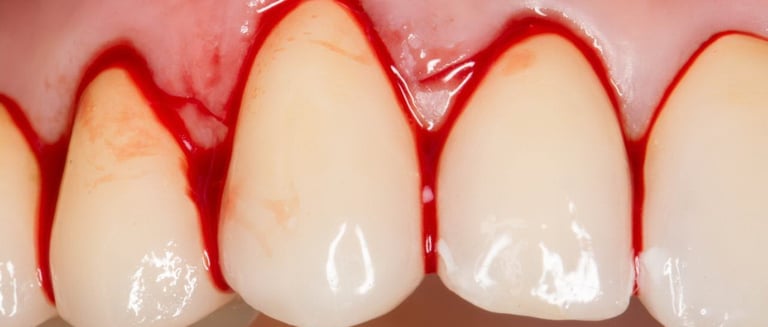
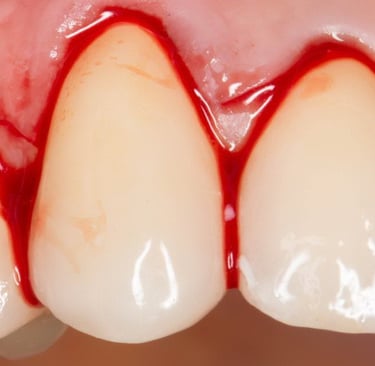
Bleeding Gums: What They Really Mean and How to Stop Them
Gums that bleed when you brush are not “normal”. In most cases, bleeding signals inflammation caused by dental plaque, often gingivitis. The good news is that, when caught early, gingivitis is often reversible with proper oral care and, if necessary, professional scaling.
Why Are My Gums Bleeding?
The most common causes include:
Plaque and tartar along the gumline → irritation, redness and bleeding.
Brushing too vigorously with a hard toothbrush or excessive pressure → minor injuries to the gums.
Not cleaning between your teeth → plaque builds up between the teeth, an often overlooked area.
Sometimes: poor oral hygiene, local irritation or more advanced gum disease (periodontitis) if symptoms persist and worsen.
How to Stop the Bleeding Effectively
The aim is to remove plaque without damaging your gums.
1) Brush Better, Not Less
Use a soft toothbrush and gentle movements for 2 minutes, twice a day.
Pay particular attention to the gumline, where plaque accumulates.
2) Clean Between Your Teeth
Use interdental brushes, which are often more effective, or dental floss, depending on the spaces between your teeth.
Clean between your teeth once a day, ideally in the evening.
3) Have Professional Scaling if Needed
If bleeding keeps returning despite a good oral care routine, tartar may be maintaining the inflammation. Professional scaling and a clinical assessment can often help your gums improve.
Mistakes That Can Prevent Healing
Stopping brushing because “it makes my gums bleed” — this often makes the problem worse.
Using a hard toothbrush or scrubbing to “clean better”.
Relying on mouthwash as a substitute for brushing — it is not.
When Should You See a Dentist Promptly?
Book an appointment if you notice:
Daily bleeding lasting more than 7–10 days despite a good oral care routine.
Swollen gums, pain or persistent bad breath.
Teeth that feel loose, increased sensitivity or spontaneous bleeding.