


Dental Scaling: Frequency, Benefits and What You Need to Know
Dental scaling: how often to have it, why it matters, signs you may need it and tips for keeping your gums healthy.
Dr. Francky DANIERO
1/25/20261 min read
Dental Scaling: How Often You Need It and Why It Matters
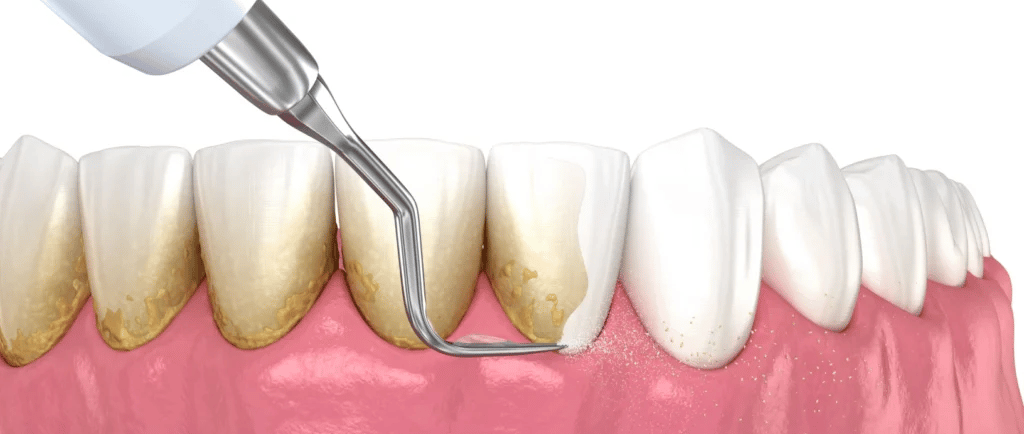
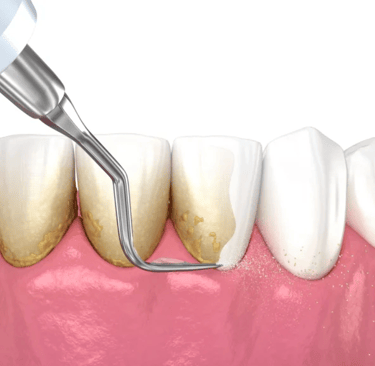
Dental scaling plays an important role in maintaining good oral hygiene. Even with thorough brushing, dental plaque can harden into tartar, particularly around the gumline and between teeth. Tartar contributes to gum inflammation, bad breath and, over time, can worsen periodontal problems.
How Often Should You Have Dental Scaling ?
The frequency depends on your individual needs, but in practice:
Many patients benefit from a check-up and scaling approximately every 6–12 months.
More frequent treatment may be needed if you have rapid tartar build-up, bleeding gums, a history of gingivitis or periodontitis, orthodontic appliances or certain habits, such as smoking.
The most appropriate frequency is determined following a clinical examination.
Signs You May Need Dental Scaling
Bleeding gums when brushing
Teeth that feel rough near the gumline
Persistent bad breath despite good oral hygiene
Visible yellowish or brownish deposits around the gumline
Gum inflammation, tenderness or worsening gum recession
Dental Scaling Damage Your Teeth?
No: scaling is intended to remove tartar and plaque, rather than enamel. Temporary sensitivity may occur, particularly if your gums were very inflamed, but the overall benefit is stabilising the tissues and improving gum health. Appropriate technique is essential.
How to Maintain the Results for Longer
Use a soft toothbrush and brush twice a day for 2 minutes.
Clean between your teeth with floss or interdental brushes once a day.
Manage factors that cause staining and irritation, such as smoking and staining drinks.
Attend regular follow-up appointments to help prevent tartar from building up unnoticed.