


Teeth Whitening: Effective, Safe, Natural-Looking Results
Teeth whitening: what really works, mistakes that damage enamel, and how to maintain a naturally white smile for longer. Advice from MAEVA Dental Practice.
Dr. Francky DANIERO
1/25/20261 min read
Teeth Whitening: What Works, What Causes Damage and How to Maintain a Natural Result
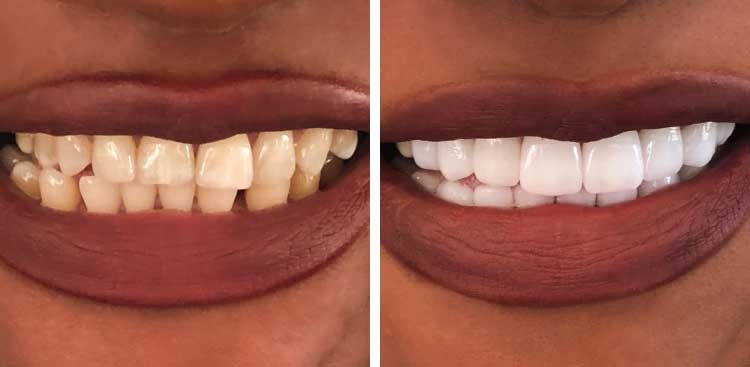
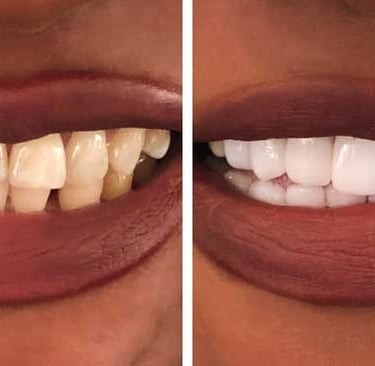
Teeth whitening can brighten your smile harmoniously, provided it is tailored to your needs. The final shade depends on your enamel, your natural tooth colour and any restorations (fillings, veneers or crowns), which do not whiten. To help avoid an artificial appearance and minimise sensitivity, the first rule is: diagnosis before treatment.
What Really Works for Whitening Without Damage
The most reliable options follow a controlled treatment protocol:
In-practice whitening: faster action, carefully controlled application, gum protection and follow-up care.
Custom-made whitening trays (used at home under dental supervision): a more gradual approach, often well suited to achieving a very natural appearance.
Essential preparation: scaling and an assessment for tooth decay, gum problems and sensitivity before whitening; otherwise, the result may be uneven.
What Causes Damage—and Why It Sometimes Appears to “Work”
Some methods create an impression of whiteness while damaging the tooth surface:
Harsh home remedies (lemon juice, vinegar or abrasive powders): these can damage enamel and increase sensitivity.
Charbon / poudres très abrasives : elles “polissent” et rayent parfois la surface, ce qui peut ternir à long terme.
Whitening kits used without professional guidance: these carry a risk of gum irritation, significant sensitivity and unpredictable results.
If a product promises an “extremely white” smile in minutes, ask yourself: at what cost to your enamel and gums?
How to Maintain a Naturally White Smile for Longer
How well the results last depends largely on your habits after treatment:
Limit staining drinks (coffee, tea and dark fizzy drinks) in the days after treatment, then maintain sensible habits.
Reduce smoking, a major contributor to renewed staining.
Maintain thorough oral hygiene with gentle brushing and interdental cleaning.
Arrange follow-up care, including a check-up and scaling if needed, to help maintain a clean, even appearance.
Who Is Teeth Whitening Suitable For?
Whitening is often suitable if your teeth look yellowed or dull and are healthy. However, if you have tooth decay, inflamed gums or significant sensitivity, these issues need to be brought under control first.